Protein: Structural Tissue Role
Technical Foundation of Amino Acid Function and Tissue Architecture
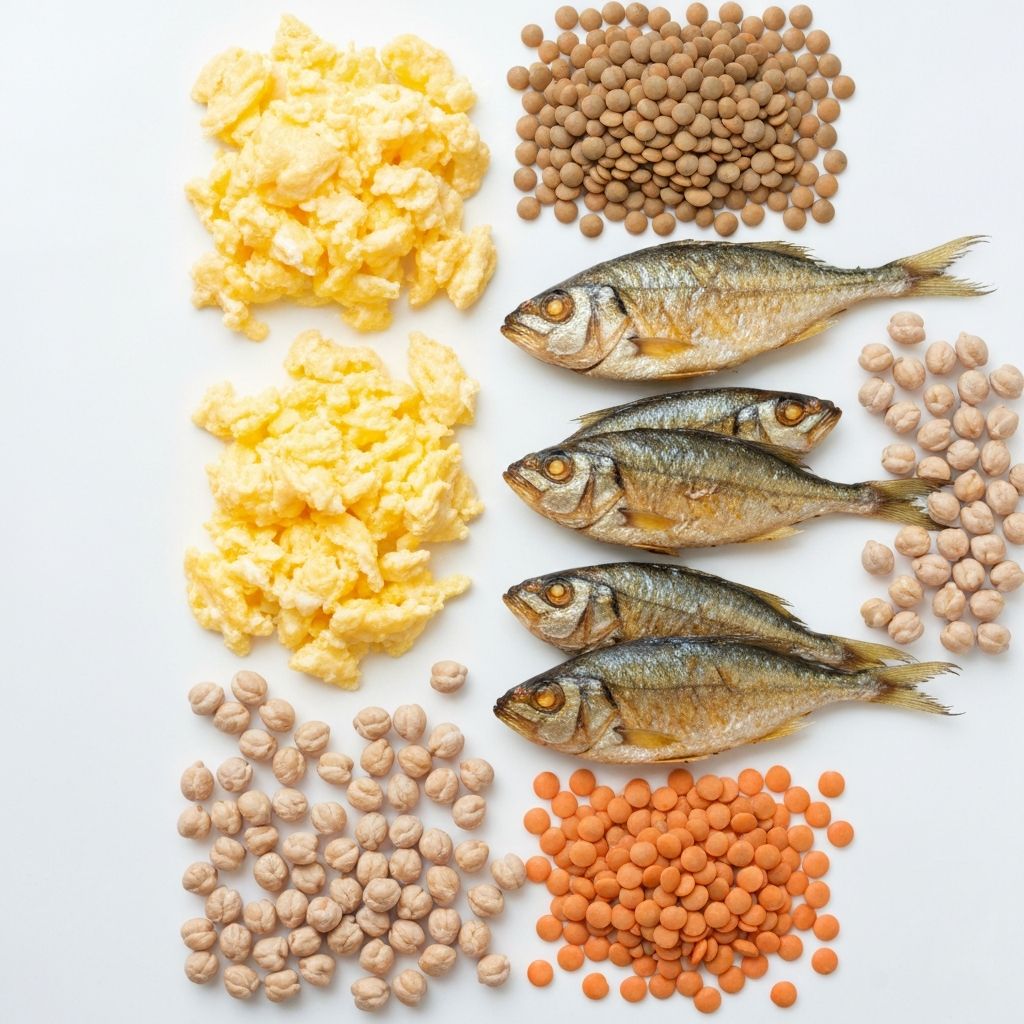
Introduction to Protein's Structural Framework
Protein functions as the foundational structural component of human tissue. Unlike carbohydrates and fats, which primarily serve energy roles, protein provides the amino acids necessary for building and maintaining the body's structural architecture. Understanding protein's role clarifies one of the central principles of nutritional science.
Amino Acids: The Structural Building Blocks
Proteins are polymers composed of amino acids linked together in precise sequences. The human body requires 20 different amino acids for protein synthesis, of which 9 are considered essential—they cannot be synthesized by the body and must be obtained from dietary sources.
Essential amino acids include leucine, isoleucine, valine, methionine, phenylalanine, threonine, tryptophan, histidine, and lysine. Non-essential amino acids can be synthesized within the body from other compounds or amino acids, though dietary intake contributes to overall amino acid pools.
Different amino acids serve specialized functions within the body. Some are glucogenic (can be converted to glucose), some are ketogenic (converted to ketone bodies), and some serve structural or enzymatic roles. This specialization reflects the precision of protein's functional architecture.
Tissue Synthesis and Maintenance
The primary structural role of protein centers on tissue synthesis and maintenance. Muscle tissue contains approximately 20-25% protein by dry weight. Collagen, the most abundant protein in the human body, forms the structural matrix of connective tissue, bone, and skin.
Bone contains significant protein (primarily collagen) integrated with mineral deposits. Skin, tendons, ligaments, and cartilage rely on protein structures for their mechanical properties. Even organs contain substantial protein as structural and functional elements.
Protein turnover occurs continuously throughout the body. Muscle protein synthesis and breakdown represent dynamic processes that depend on amino acid availability, hormonal signaling, and activity patterns. This constant remodeling maintains tissue integrity and responds to physiological demands.
Enzymatic and Catalytic Functions
Beyond structural roles, proteins serve as enzymes—biological catalysts that facilitate metabolic reactions. Thousands of enzymes regulate metabolic pathways, enabling processes from energy production to nutrient utilization to DNA replication. These enzymes are themselves proteins composed of amino acids arranged in precise three-dimensional structures.
Enzymatic function depends critically on protein structure. Even minor alterations in amino acid sequence can disrupt enzyme function. This structural specificity reflects the precision required for metabolic regulation.
Hormonal and Signaling Functions
Many hormones that regulate physiological function are proteins or peptides. Insulin, glucagon, growth hormone, and cortisol all include protein components or are derived from amino acids. These signaling molecules regulate nutrient metabolism, tissue growth, stress response, and reproduction.
Hormone receptors are also proteins with specific structures that allow them to recognize and bind signaling molecules. This lock-and-key mechanism demonstrates how protein structure enables specific physiological regulation.
Immune Function and Protection
Antibodies, which form the foundation of humoral immune response, are proteins composed of amino acids. These proteins recognize and bind pathogens and foreign substances, enabling immune elimination. Different antibody classes serve specialized protective functions throughout the body.
Other immune proteins include complement proteins, lysozyme, and various interleukins that coordinate immune responses. The diversity of immune proteins reflects the complexity of the immune system's architecture.
Transport and Storage Functions
Hemoglobin, the protein that transports oxygen in red blood cells, demonstrates protein's role in nutrient transport. Hemoglobin's structure—specifically the positioning of iron atoms within globin protein chains—enables oxygen binding and release throughout the body.
Albumin, the most abundant protein in blood plasma, serves multiple transport functions, carrying hormones, fatty acids, and other substances throughout the circulatory system. Transferrin transports iron, ceruloplasmin transports copper. Transport proteins enable distribution of essential substances to tissues.
Protein Intake and Tissue Maintenance
Dietary protein intake directly influences the body's capacity for tissue maintenance and synthesis. Amino acids from dietary protein are absorbed and incorporated into the amino acid pool available for tissue building. Inadequate protein intake can limit the body's ability to maintain muscle, bone, connective tissue, and other protein-dependent structures.
Protein requirements vary based on age, activity level, and physiological state. Athletes engaged in resistance training have elevated protein requirements due to increased muscle protein synthesis demands. Older adults show altered protein metabolism and may benefit from higher intake to maintain lean tissue mass.
Different protein sources provide different amino acid profiles. Complete proteins contain all essential amino acids, typically found in animal sources. Incomplete proteins, more common in plant sources, may be deficient in certain amino acids, though combinations of plant proteins can provide complete amino acid profiles.
Metabolic Contribution of Protein
While not a primary energy source, protein can contribute to energy production when carbohydrate availability is limited or when intake exceeds requirements. The thermic effect of protein—energy required for protein digestion, absorption, and processing—is higher than for carbohydrates or fats, approximately 20-30% of protein calories.
This elevated thermic effect reflects protein's role in muscle protein synthesis and the energy cost of amino acid metabolism. This metabolic characteristic distinguishes protein from other macronutrients and contributes to overall energy balance calculations.
Informational Context
This article provides educational information about protein's physiological roles. It explains foundational nutritional science principles without offering personal recommendations. Individual protein needs depend on many factors including genetics, age, activity level, health status, and other variables. This content serves as educational context only, not as personalized guidance.
Technical Summary
Protein forms the structural foundation of body tissue, serving roles in muscle, bone, connective tissue, and organs. Beyond structure, proteins function as enzymes, hormones, antibodies, and transport molecules. Amino acid composition and dietary protein intake directly influence the body's capacity for tissue maintenance and synthesis. Understanding protein's multifaceted roles within body composition science provides essential context for foundational nutritional principles.